Chongqing (重庆) is built across steep mountains where two streets on a map can sit ten floors apart. You do not need to climb massive outdoor staircases to enjoy the skyline. By using step-free metro lifts, curbside hotel drop-offs, and short taxi hops between hillside levels, you can explore the city smoothly with a wheelchair, a stroller, or heavy luggage.
Plan around vertical levels, not flat map distance
Two spots can look like a two-minute walk on the city map but sit on completely different hillside terraces. A short direct line often hides a steep hill, a ten-story outdoor staircase, or a confusing route through multiple shopping centers. Standard walking map routes do not always show these elevation jumps.
This simple approach helps wheelchair users, travelers with knee pain, parents pushing strollers, and anyone rolling heavy suitcases:
- One terrace per half-day: Pick a single flat neighborhood (like the Jiefangbei pedestrian zone or Nanbin Road promenade) rather than crossing multiple steep ridges on foot.
- Use vertical elevators: Look for public lifts
(直梯; Zhiti)or shopping mall elevators(垂直电梯)to move between upper and lower roads without climbing stairs. - Confirm every step of the chain: Check the route from the car drop-off curb, through the lobby doors, into the lift, and onto your destination floor.
Pick hotels with true street-level driveways
When choosing where to stay, look closely at the street entrance. High-floor rooms offer great river views, but floor numbers do not show how you arrive from the road. Some Chongqing hotels sit on cliff edges where guests must walk down several flights of steps to reach the front desk.
Ask the hotel for clear photos of the vehicle drop-off zone (落客区) and the step-free entrance path (无障碍通道). If you use a wheelchair, share your chair width and ask about:
- Door clearance and raised floor thresholds
(门槛; Menkan) - Lift cabin dimensions and hallway widths
- Roll-in shower stalls
(无障碍淋浴间)and sturdy grab rails(扶手; Fushou) - Shower stools or side clearance next to the bed
If you simply want to minimize walking, ask for a room close to the guest elevators (客梯; Keti) on a main hallway. Request the exact Chinese name and address of the hotel driveway to show taxi drivers (请送我到酒店落客区; Please take me to the hotel drop-off area).
Use metro staff to find the right entrance
Chongqing is expanding step-free access across its rail network. In January 2026, the city added 20 new accessible lifts across Lines 2 and 3 and upgraded motorized wheelchair stair-lift platforms.
Our metro guide covers tickets, lines, and station layouts. Because metro exits open onto different hillside levels, an elevator entrance is often on a different street corner from the stair entrance. Look for the accessible lift sign (无障碍电梯) at street level, or ask station attendants (工作人员) for help operating wheelchair lift platforms.
Travel outside peak morning and evening commuter rushes (7:30 to 9:00 AM and 5:30 to 7:00 PM) whenever possible. Quieter train cars give you plenty of space to roll on and off smoothly.
Let short car rides do the climbing
Let taxis and ride-hailing cars do the heavy climbing between different city tiers. A short five-minute ride can lift you up 100 meters of elevation without touching a single step.
When booking a ride, set your pickup point at a recognized hotel lobby or marked curbside stand. Our ride-hailing pickup guide shows how to confirm the exact road name and floor level. Dropping a pin randomly on a multi-tiered bridge or overpass can confuse drivers.
Standard city taxis and ride-hail cars do not come equipped with built-in wheelchair ramps. If you need a specialized ramp-fitted vehicle (无障碍车) or extra trunk space for a rigid non-folding wheelchair, arrange private transport in advance through your hotel concierge or a trusted local driver. Specify your passenger count, luggage total, and chair dimensions before booking.
Choose views and stops with flat walkways
Build your days around sights with flat walking paths, open riverfront promenades, and reliable elevator access:
- Hongya Cave (洪崖洞): This 11-story stilt house complex is stacked against a cliff. Public elevators connect the top road (Cangbai Road) to the bottom riverside street (Jiabin Road), but elevator lines can be long. You can enjoy the best illuminated views from the flat Qiansimen Bridge walkway or the riverside promenade without tackling the crowded interior staircases.
- Nanbin Road (南滨路): A long, flat riverside promenade packed with cafes, benches, and skyline viewpoints across from the central peninsula.
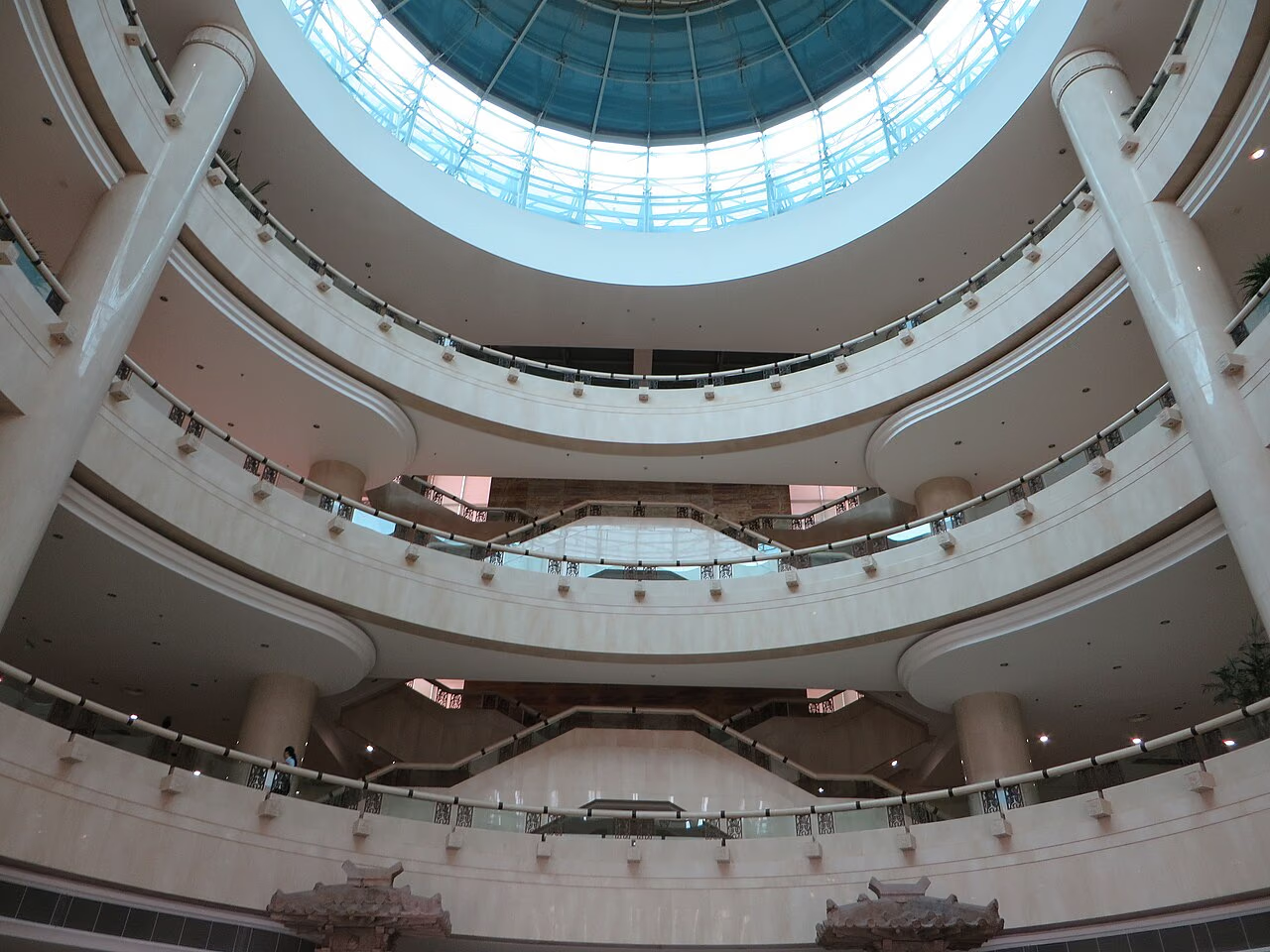
- Museums and indoor sights: The Three Gorges Museum and major shopping complexes in Jiefangbei offer wide elevators, flat polished floors, and accessible restrooms
(无障碍卫生间). Check our rainy-day guide for more step-free indoor options.
Build rest breaks into your schedule
Plan a seated lunch and a relaxed afternoon teahouse stop into every day. Returning to your hotel for an hour to recharge before dinner keeps your energy high for evening nightscapes.
Chongqing's hills are steep, but clear entrance planning and smart car hops let you enjoy the city's food, rivers, and glowing neon without tiring your legs.
Common questions
Is Chongqing easy to visit with a wheelchair or stroller?
Yes, as long as you plan around vertical tiers. Explore one flat terrace at a time, use metro lifts, and take short taxi hops between hillside levels to avoid long outdoor staircases.
Do Chongqing metro stations have accessible lifts?
Most stations have street-to-concourse and platform lifts. The city added 20 new accessible lifts across Lines 2 and 3 in early 2026. Look for lift signs (无障碍电梯) or ask station staff for help with wheelchair platforms.
How can I avoid steep stairs at Chongqing tourist spots?
Have your taxi drop you directly at the upper or lower entrance, use vertical shopping mall elevators to move between street levels, and view multi-level sights like Hongya Cave from flat bridges or riverside walkways.
Sources & updates
- Chongqing government: 2026 lift and wheelchair platform upgradesLast updated Oct 4, 2026
- China government guide: visitor transport and hotel servicesLast updated Oct 4, 2026
Did this guide help you?
Why? (optional)